Can you paint over previously painted stucco?
Usually, if the existing coating is sound, clean, and compatible. We inspect chalking, loose paint, cracks, and moisture before recommending the system.

Painter1 of Greater North Austin
Stucco painting Leander homes rewards patience. Texture, porosity, and small movement need a coating plan that protects the finish without sealing in moisture or exaggerating repairs.
A considered finish
From the first inspection through the final walk-through, Painter1 keeps the scope clear, the work area protected, and the finish matched to the surface and the way you use it.
We begin by looking for hairline cracks, larger movement cracks, stains, chalking, failed patches, open joints, and areas where water may be entering around windows or penetrations. A gentle wash removes dust and biological growth without eroding the texture. Cracks and repairs are treated according to their size and location, and we allow patches to cure before paint. The estimate distinguishes cosmetic prep from conditions that should be reviewed by a stucco or building professional before coating.
Breathability and compatibility guide product selection. A quality exterior acrylic may be appropriate for a previously painted, sound surface; elastomeric coatings can help bridge certain hairline cracks but are not a cure for movement or trapped moisture. We select a low-sheen finish that gives the wall a consistent color without creating a plastic-looking glare. Sample areas matter because stucco’s shadowing and the strong North Austin sun can make the same color look lighter or more intense than expected.
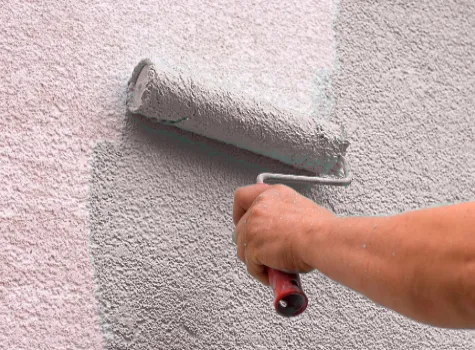
The weather pattern is part of the schedule. Heat can pull moisture from a coating too quickly on a hot west wall, while humid mornings and sudden storms slow cure time. We work in manageable elevations, keep a wet edge where possible, and follow the product’s limits for temperature, humidity, and rain exposure. Spraying can cover texture efficiently, but back-rolling may be needed to work the coating into the profile and keep the finish even.
Many stucco homes take three to six working days, depending on wall area, texture, repairs, trim, and access. We protect windows, stone, roof edges, walks, and plantings, and we inspect at both close range and from the curb. The final check includes coverage, repaired areas, clean lines at trim, and cleared weep or drainage points.
If your stucco is faded, chalky, or showing recurring cracks, schedule an estimate before choosing a color or coating. We will explain what paint can improve and where a separate repair opinion may be the right next step.
We also look at how the stucco meets windows, stone, metal, and rooflines. A clean transition keeps the new color from making old caulk or patching stand out. On heavily textured walls, a sample helps confirm how shadows read at different times of day; on smooth stucco, the same sample can reveal more variation than expected. Those observations guide the sheen, color depth, and amount of repair we include before coating.
Where access is tight, we plan ladders and staging before the start date so plantings, stone paths, and outdoor furniture are not an afterthought. We keep wet edges organized across visible walls and photograph the approved sample for the final color record.
Project gallery
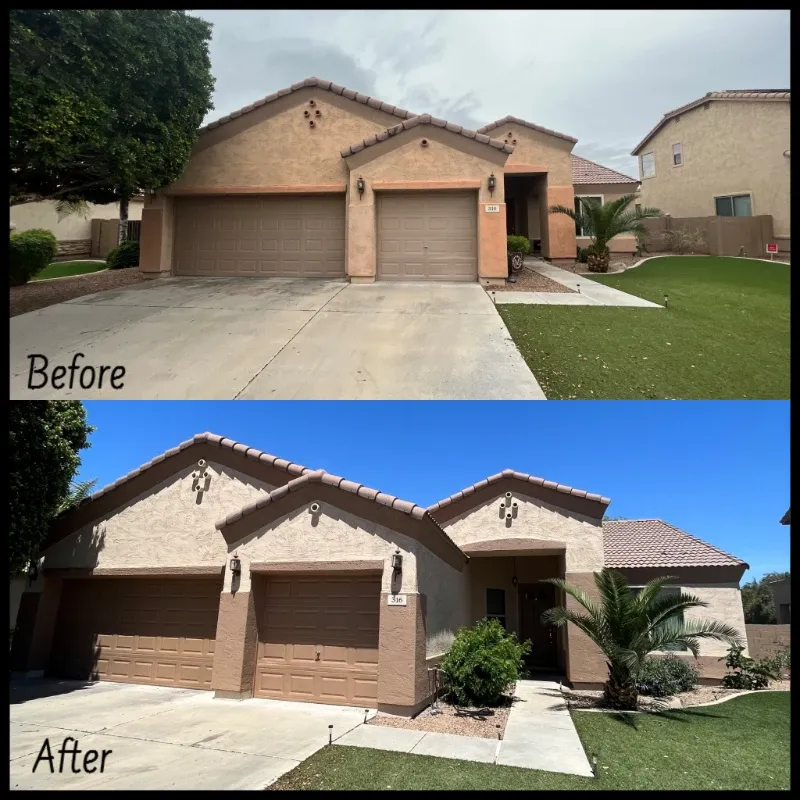
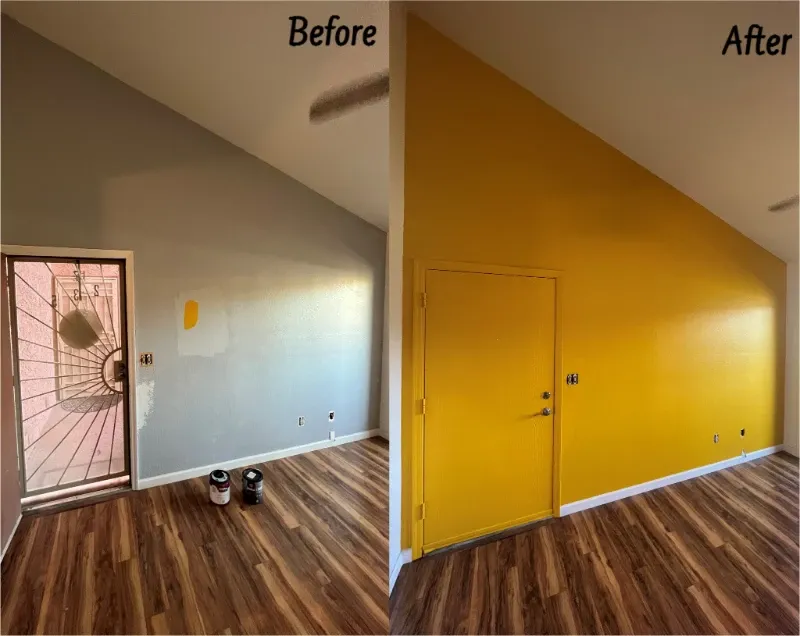
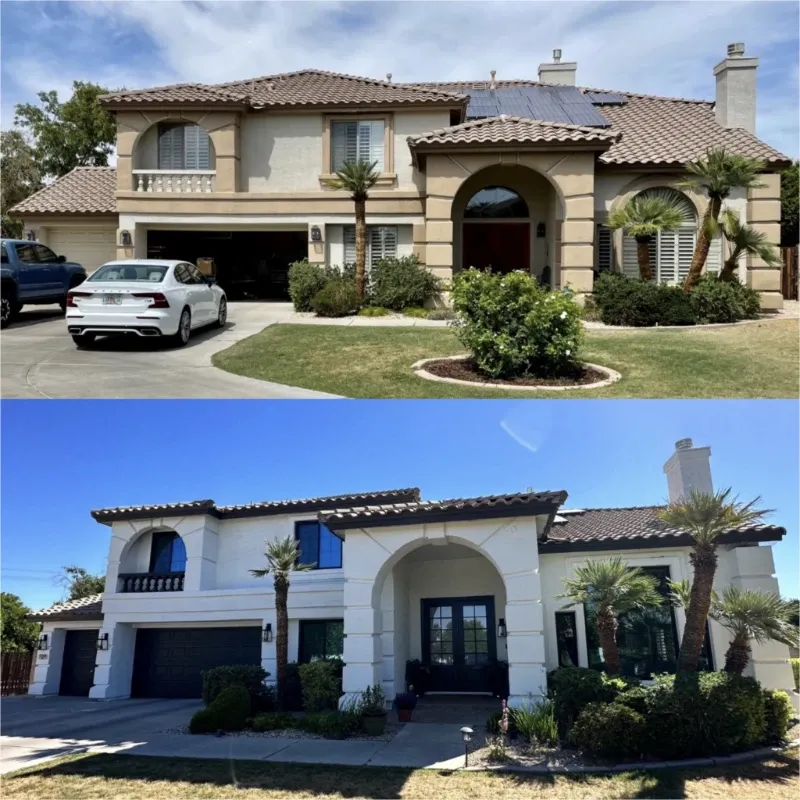
Customer success stories
EXCELLENT
Based on 140 Google reviews
Common questions
Usually, if the existing coating is sound, clean, and compatible. We inspect chalking, loose paint, cracks, and moisture before recommending the system.
No. It can help with some hairline conditions, but it does not solve structural movement or moisture entry. We match the coating to the wall’s condition.
We choose the right application method for the texture and may back-roll after spraying so the coating reaches the profile consistently.
Many homes take three to six working days, with additional time for repairs, dry weather windows, and detailed trim.
You may also need