Can fiber-cement siding be painted?
Yes, when it is sound and properly prepared. We clean, repair, prime bare areas as needed, and use an exterior coating compatible with the siding.

Painter1 of Greater North Austin
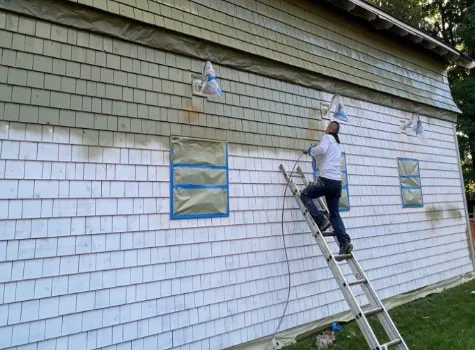
Siding painting Hutto homeowners can use is about more than rolling on a new color. We identify the siding type, fix what will telegraph through the finish, and plan color around the home’s trim and roof.
A considered finish
From the first inspection through the final walk-through, Painter1 keeps the scope clear, the work area protected, and the finish matched to the surface and the way you use it.
At the estimate, we separate siding, trim, soffits, fascia, shutters, doors, and accents because each may weather differently. We look for chalking, failed caulk, cracked or swollen wood, loose fiber-cement seams, mildew, and exposed fasteners. Washing removes the film that prevents adhesion, while scraping and sanding smooth failing edges. Gaps are addressed with an exterior-grade caulk where appropriate, and damaged boards are called out rather than covered. Windows, landscaping, and masonry are protected before the first coat.
An exterior acrylic is often right for fiber cement and previously painted wood when the surface is sound. A bonding or stain-blocking primer may be needed for bare areas, tannin bleed, or incompatible old coatings. We usually recommend a low-sheen satin or soft matte for broad siding because it balances washability and forgiveness; higher-sheen trim helps define windows and doors. A sample on the actual elevation lets you see how the color responds to the hot Texas sun and nearby roof or stone.
Siding on west and south elevations can fade and chalk faster than shaded faces. Summer heat moves long runs, while wind-driven rain finds open seams and unsealed penetrations. We do not paint damp siding, and we follow the manufacturer’s temperature, humidity, and recoat guidance instead of chasing a one-day schedule. Consistent back-brushing or rolling into the profile helps reduce lap marks and thin spots, especially on textured or grooved siding.
A typical home takes three to six working days, depending on stories, access, trim detail, repairs, and the number of colors. We communicate the order of elevations, keep the site tidy, and inspect from both close range and the street. The final handoff includes clean windows, clear vents and drainage, operating doors, and a color record for future touch-ups.
If the siding is faded but structurally sound, painting can extend the life of the existing exterior and update the home without replacing every board. Schedule a free estimate for a realistic prep and coating plan.
We also map color breaks before setting up ladders. Long siding runs, gables, garage doors, and porch ceilings should look intentional from the street, and trim that is too bright can pull attention away from the architecture. We note which surfaces are factory-finished, previously painted, or bare so primer is not applied where it is unnecessary and omitted where it is important. The final plan gives you a record of colors and finish levels for future maintenance.
Project gallery
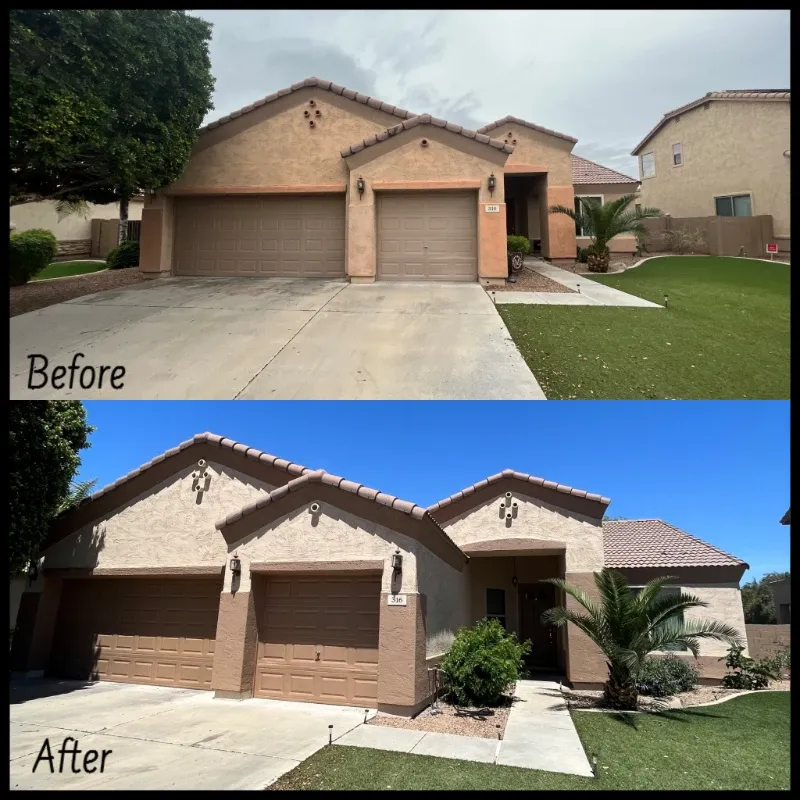
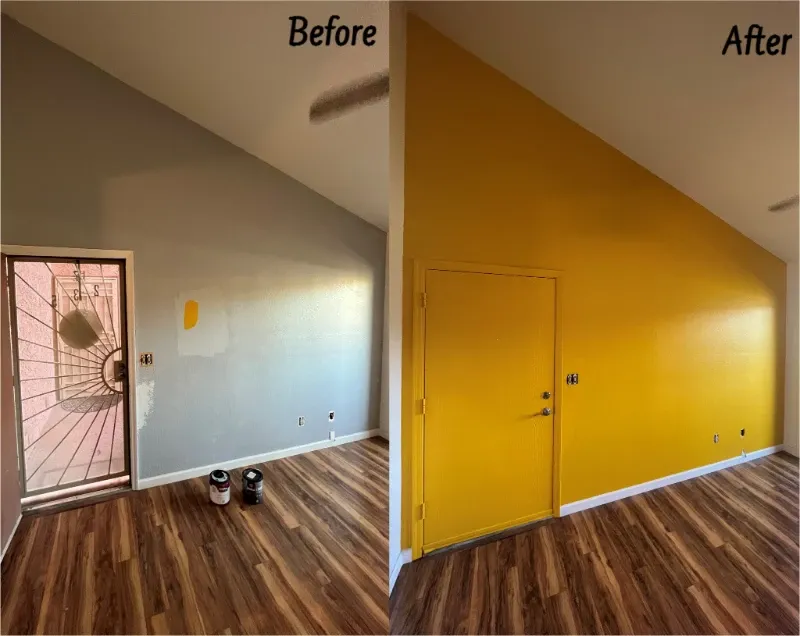
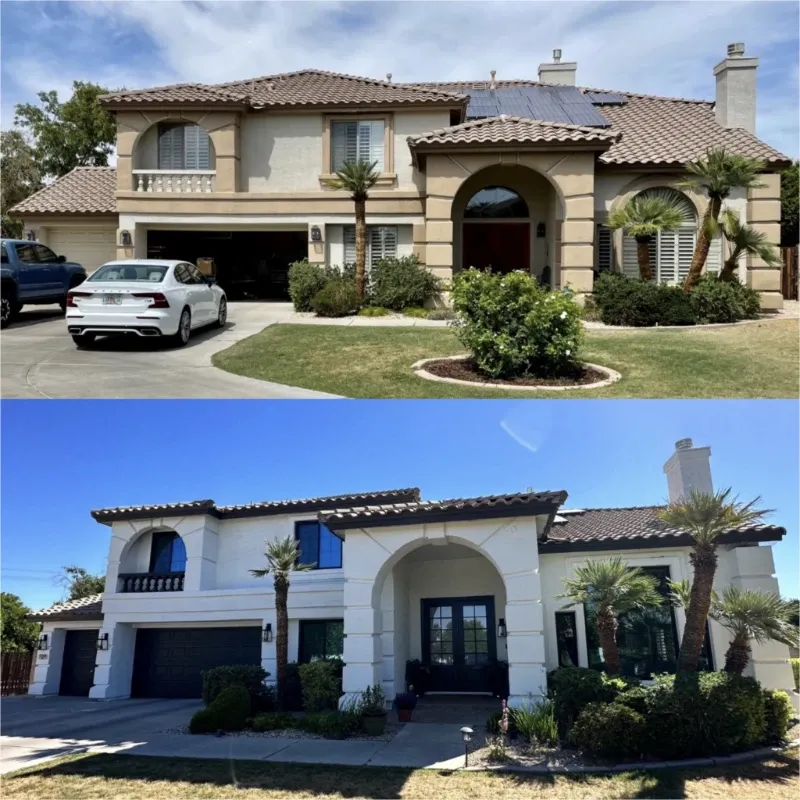
Customer success stories
EXCELLENT
Based on 140 Google reviews
Common questions
Yes, when it is sound and properly prepared. We clean, repair, prime bare areas as needed, and use an exterior coating compatible with the siding.
A low-sheen satin or soft matte is common because it is washable without emphasizing every surface variation. Trim can use a higher sheen for contrast.
Most homes take three to six working days. Height, access, prep, trim, and color changes affect the final timeline.
Yes. We mask and protect adjacent surfaces, keep the site orderly, and inspect cleanup before the project is complete.
You may also need