What is the difference between whitewashing and painting brick?
Whitewashing keeps more natural variation visible, while paint creates a more uniform film. Stain is another option when you want color with more texture showing through.

Painter1 of Greater North Austin
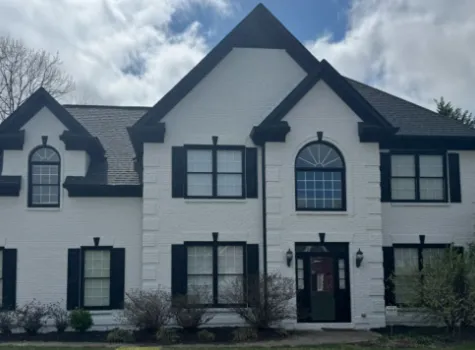
Brick painting and whitewashing Georgetown homeowners can explore may soften brick, add a uniform painted color, or keep natural variation with masonry stain. The right approach depends on the brick, mortar, moisture movement, and the look you want from the street.
A considered finish
From the first inspection through the final walk-through, Painter1 keeps the scope clear, the work area protected, and the finish matched to the surface and the way you use it.
We inspect the brick for efflorescence, loose mortar, cracks, previous sealers, algae, and areas that stay damp after rain. The surface is cleaned without driving water into vulnerable joints, then allowed to dry. Mortar repairs and small patching are addressed before color work. We also examine flashing, weep areas, and penetrations so a new coating is not used to hide a water-management problem. Masking protects windows, metal, roof edges, walks, and adjoining siding from masonry products and overspray.
A whitewash uses a diluted coating approach to let some brick and mortar variation show through; coverage can be adjusted from a light limewashed appearance to a more settled, opaque look. A masonry paint creates more consistent color, while a stain preserves texture and can be a better fit when vapor movement is a priority. We choose a breathable, masonry-compatible product and a lower-sheen finish that does not make broad brick elevations look plastic. Sample areas are essential because porous brick absorbs color unevenly.
Full Texas sun can heat dark brick dramatically, and abrupt thunderstorms can wet the elevation before the coating has cured. North-facing walls may stay damp longer in shaded seasons, while west-facing walls experience the strongest afternoon exposure. We schedule around the forecast, apply in manageable sections, and follow the product’s moisture and temperature limits. That helps prevent lap marks, whitening, trapped moisture, and uneven absorption that become obvious once the sun moves across the facade.
Brick projects often take three to five working days, including washing, dry time, repairs, samples, and application. Texture and mortar joints slow the work compared with siding, and whitewashing may require more than one controlled pass to keep the variation intentional. At completion, we inspect from the curb and up close, clean adjacent surfaces, and confirm that doors, vents, and drainage points remain clear.
If you are considering a lighter exterior, schedule an estimate before choosing a color online. We can test the finish on your actual brick, discuss HOA approval, and explain how a whitewash, paint, or stain will age in your specific exposure.
Color shifts across brick are expected, but they should feel intentional. We photograph the test area in daylight, review how mortar and brick faces absorb differently, and decide whether corners, chimneys, and recessed entries need a separate treatment. Whitewash can be feathered to preserve variation, while a full paint color needs consistent coverage at every joint. We also keep metal vents, address numbers, and drainage details clean so the new facade still reads as a well-maintained home.
Project gallery
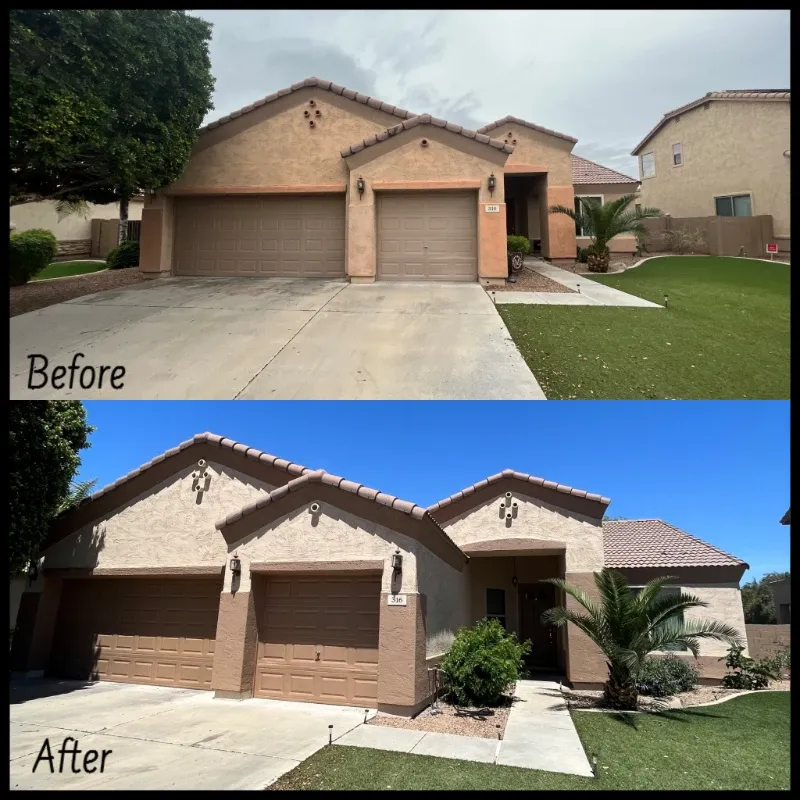
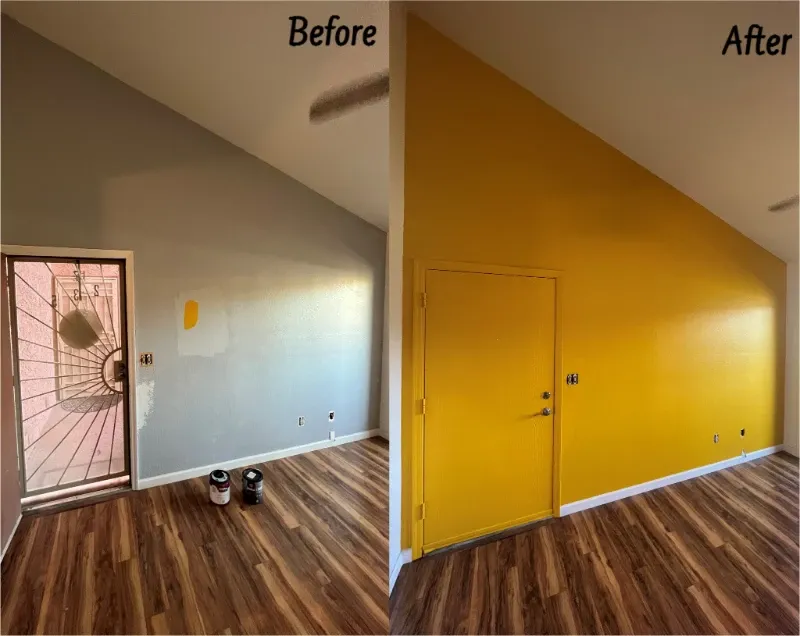
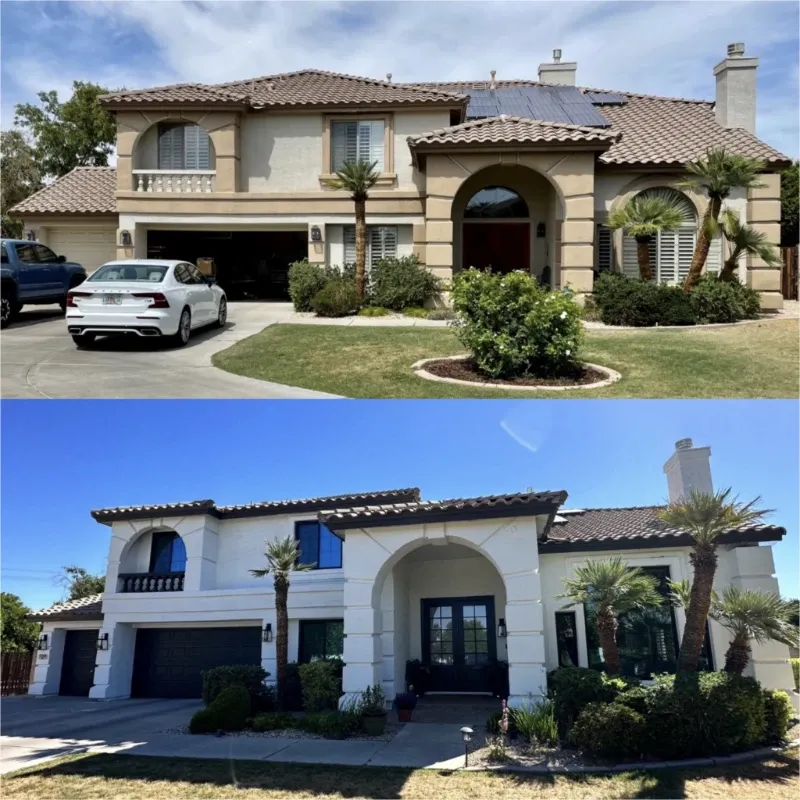
Customer success stories
EXCELLENT
Based on 140 Google reviews
Common questions
Whitewashing keeps more natural variation visible, while paint creates a more uniform film. Stain is another option when you want color with more texture showing through.
Most sound, dry brick can be coated, but we inspect moisture, efflorescence, sealers, and mortar condition first. Some repairs should happen before painting.
Product choice and prep matter. We use masonry-compatible coatings and keep drainage and weep areas clear so the wall can perform as intended.
Many homes take three to five working days. Surface condition, elevation size, sample approvals, and weather can change the schedule.
You may also need