Should I stain or paint my deck?
Penetrating stain keeps grain visible and is often easier to maintain. A floor-rated coating gives a more painted look. We recommend after inspecting the wood and traffic level.

Painter1 of Greater North Austin
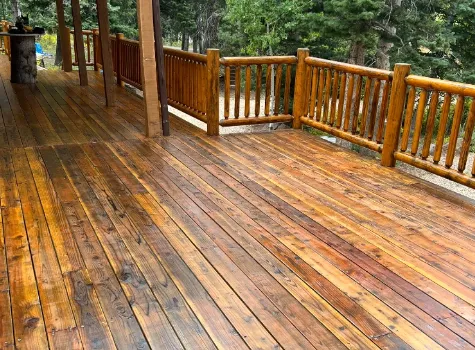
Deck staining Leander homeowners can schedule has to handle bare feet, furniture, rain, and direct sun. We focus on wood condition first, then select a coating for how your deck is used.
A considered finish
From the first inspection through the final walk-through, Painter1 keeps the scope clear, the work area protected, and the finish matched to the surface and the way you use it.
We evaluate boards, joists, stairs, railings, fasteners, and ledger-adjacent areas before quoting a finish. Soft or splintered boards, popped screws, cracked end grain, and loose rails are documented so safety and painting are not confused. Washing removes gray fibers, pollen, and mildew; stubborn areas may need a second cleaning or light sanding. The deck must dry before coating, and surrounding walls, doors, landscaping, and hardscape are protected from the cleaning and application process.
For many exposed decks, a penetrating semi-transparent stain is a sensible starting point because it colors the wood while allowing some movement and grain to remain visible. Solid stain offers more coverage when boards are weathered. A porch and floor coating can provide a more painted look, but the product must be intended for horizontal foot traffic and applied at the specified film thickness. We avoid glossy finishes that show wear quickly or become uncomfortably slick when wet.
Central Texas sun dries and fades upper surfaces rapidly, while storms send water into end grain and between boards. Humidity can slow drying even when the deck feels warm. We schedule for a stable weather window, confirm moisture conditions, and avoid sealing damp wood. The finish is applied in manageable sections with attention to board edges, stair noses, rails, and puddling areas. Curing time matters before rugs, furniture, pets, and heavy foot traffic return.
Depending on size and condition, a deck project generally takes two to four working days plus drying time. Repairs and a full strip can extend the schedule. We keep walkways usable where possible, mark off wet areas clearly, and leave the deck ready for its next use rather than simply leaving a fresh color behind. A final walk-through covers cleaning, cure time, and when to plan the next maintenance coat.
If your deck is gray, peeling, or absorbing water in patches, schedule a free estimate. We can separate safety repairs from the finish scope and recommend a color and sheen that will age predictably in your yard.
We also talk through how the deck is used before choosing the product. A dining area with chairs needs a different maintenance conversation than stairs beside a pool or a shaded porch with rugs. Dark colors can feel warmer in full sun, while a solid stain may make old boards look more uniform but will still show raised grain. We leave written cure guidance so you know when to return furniture, rinse the surface, and schedule the next inspection.
Project gallery
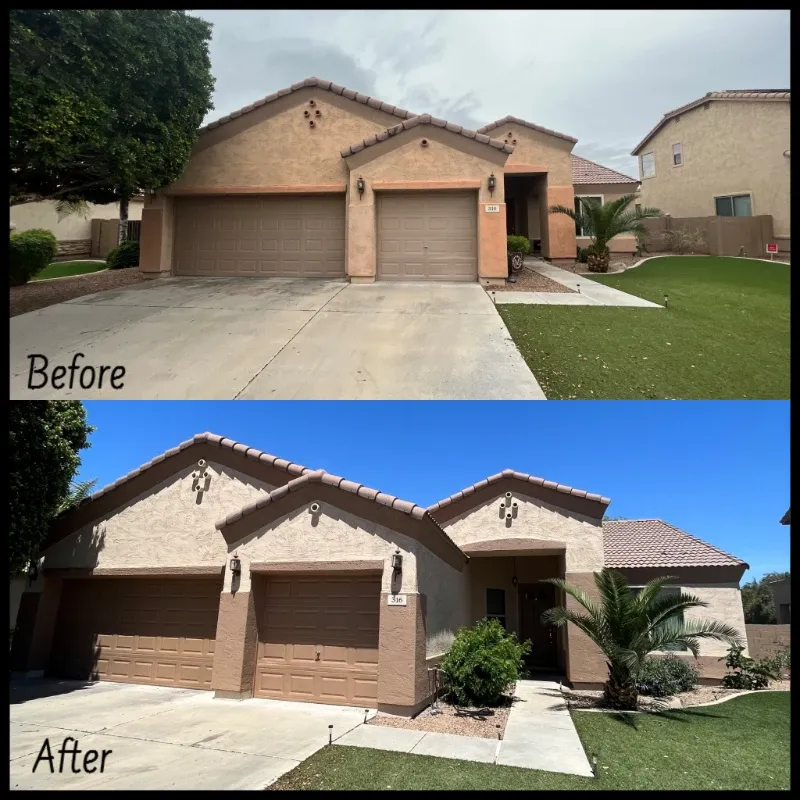
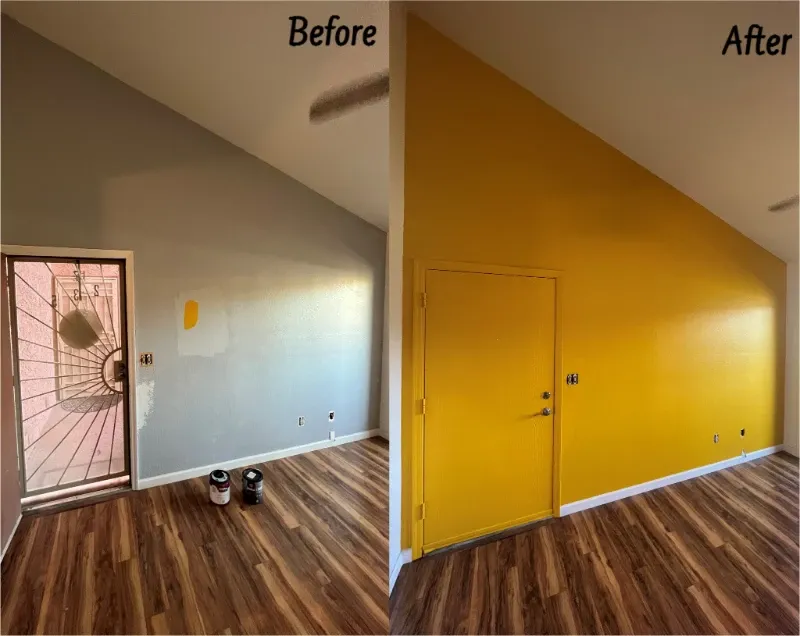
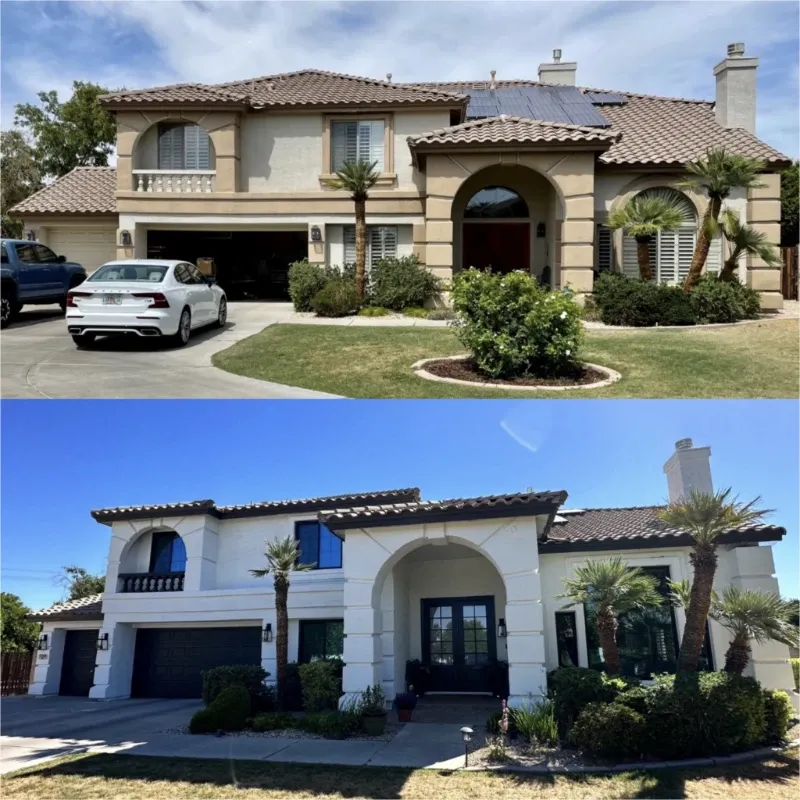
Customer success stories
EXCELLENT
Based on 140 Google reviews
Common questions
Penetrating stain keeps grain visible and is often easier to maintain. A floor-rated coating gives a more painted look. We recommend after inspecting the wood and traffic level.
The product and weather determine cure time. We give you a specific return-to-use window after the final coat, including guidance for furniture and rugs.
We can identify and quote common prep and minor repair needs. Structural or extensive carpentry may require a specialist before coating.
Exposure and product choice vary, but inspecting annually and refreshing before the wood turns gray or stops repelling water helps protect the investment.
You may also need