How often should a Texas home exterior be painted?
Many homes need attention in roughly seven to ten years, but exposure, substrate, color, and previous prep can shorten or extend that interval.

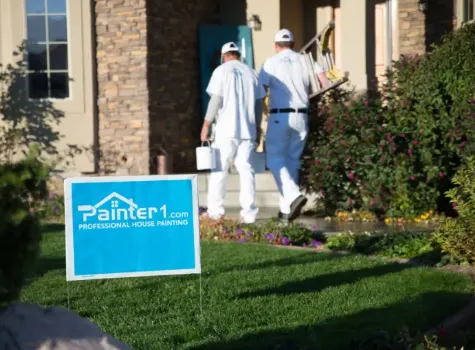
Painter1 of Greater North Austin
Exterior painting Cedar Park homeowners can count on has to look good from the curb and perform through long summers, storms, and temperature swings. We build the finish from the substrate out, so color is only one part of the decision.
A considered finish
From the first inspection through the final walk-through, Painter1 keeps the scope clear, the work area protected, and the finish matched to the surface and the way you use it.
Our estimate begins with a walk around the property. We look at stucco, fiber cement, wood, brick, trim, soffits, fascia, doors, shutters, and other surfaces separately because each one needs a different prep plan. Chalky paint is identified, failed caulk is removed, cracks and small wood repairs are noted, and areas around windows and penetrations are checked for moisture entry. Washing removes dust, mildew, and pollen, but the home must dry fully before primer or finish is applied.
We match the product to the surface and the exposure. A quality exterior acrylic is often the right choice for siding and trim; masonry and stucco may need a compatible elastomeric or masonry coating when hairline movement and vapor transmission are concerns. Sheen affects maintenance: satin can be washed more easily on trim and doors, while a lower sheen is more forgiving across broad siding. We can help coordinate the body, trim, shutters, and front door with neighborhood and HOA requirements in mind.
Greater North Austin’s sun is intense, especially on west-facing walls, and ultraviolet exposure can fade saturated colors. Heat accelerates expansion and contraction, while spring storms and humid mornings leave unpainted or poorly sealed surfaces vulnerable. We plan around the weather, use back-brushing where needed for consistent coverage, and follow the manufacturer’s temperature, humidity, and recoat guidance. Paint that is allowed to cure correctly is more likely to hold an even film and resist early peeling.
Most single-story homes take several working days once prep begins; two-story homes, complex trim, repairs, and multiple colors add time. We communicate the sequence, keep ladders and materials orderly, protect hardscape and plantings, and inspect the work in changing light. Before the final handoff, we check edges, coverage, caulk lines, doors, and cleanup rather than treating the last coat as the last task.
If your home is faded, chalky, or showing failing caulk, a free estimate gives you a practical way to prioritize. We can quote a full repaint or phase the work around the elevations that need attention first.
Color placement is part of the exterior plan. A lighter body may reduce the visual weight of a large facade, while a deeper front door or shutter color can give the entry definition without overloading the elevation. We look at roof color, stone, brick, and permanent landscape features before recommending samples. When a home has several substrates, we keep the palette limited and let changes in sheen or trim do the work of creating separation.
Project gallery
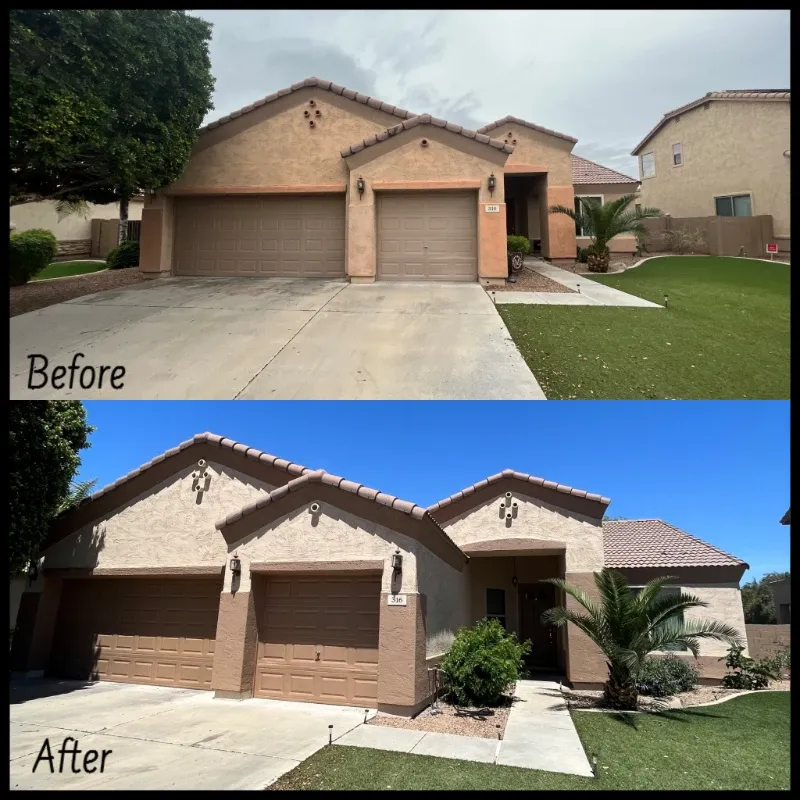
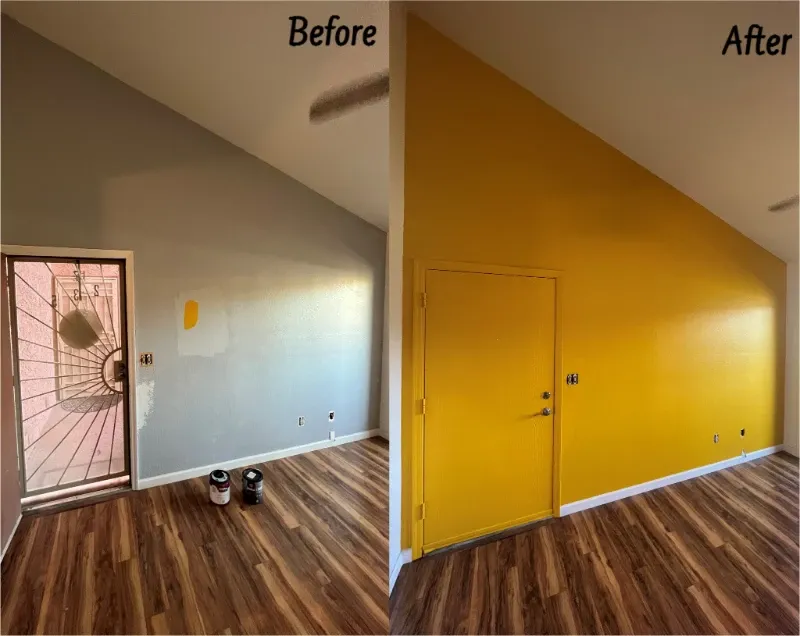
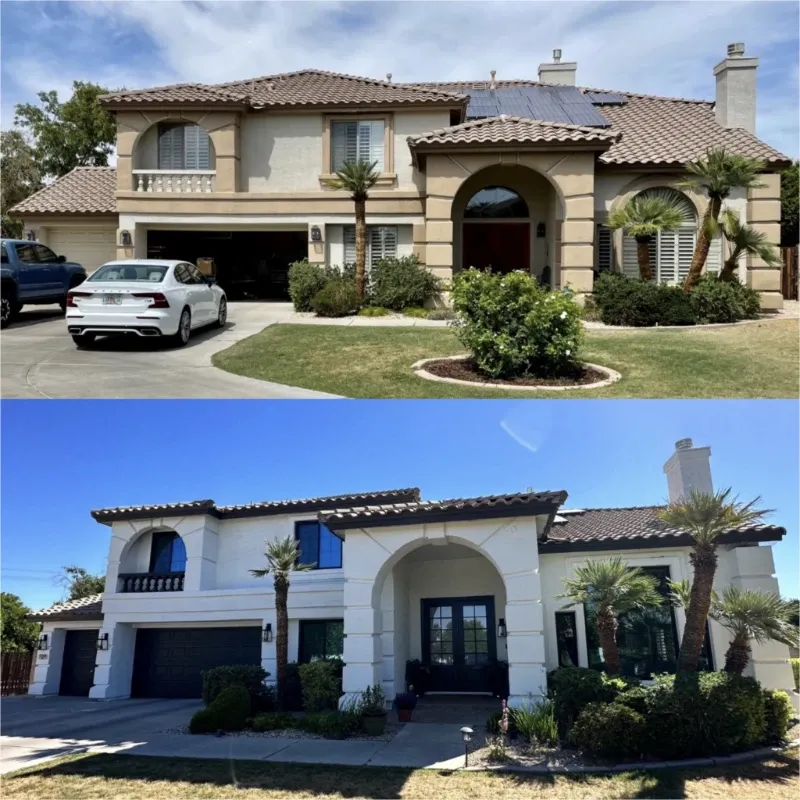
Customer success stories
EXCELLENT
Based on 140 Google reviews
Common questions
Many homes need attention in roughly seven to ten years, but exposure, substrate, color, and previous prep can shorten or extend that interval.
Yes. We specify compatible products and prep each substrate separately so the color reads consistently without treating every surface the same way.
Dry conditions with moderate temperatures and low-to-moderate humidity are best. We follow the coating manufacturer’s requirements and avoid painting damp surfaces.
We can help you organize the color plan and identify the information an HOA approval request typically needs. The homeowner submits the final approval.
You may also need